



RFID vs Barcode for Asset Tracking: Which Fits Your Business?
A practical comparison of RFID and barcode tracking: how each works, where barcodes are enough and where RFID pays off.
Most organisations start tracking assets in spreadsheets, then move to barcode labels. That works until the number of assets, sites and people grows. Audits then take longer, items go missing between counts and the register stops matching what is on the floor. RFID is often the next step. This article explains the practical differences so you can choose what fits today.
How each technology works
A barcode is a printed pattern that a scanner or phone camera must see directly, one label at a time. An RFID tag holds a small chip and antenna. A reader picks it up by radio, without line of sight, and can read many tags at once.
The main differences
- Line of sight: barcodes need it, RFID does not.
- Volume: barcodes are read one by one, RFID reads many tags in a single pass.
- Automation: fixed RFID readers at doors and gates capture movement without anyone scanning.
- Durability: printed labels can fade or tear, while RFID tags are available for metal, heat and outdoor use.
- Cost per label: barcodes are cheaper, RFID tags cost more per item.
Where barcodes are still enough
Barcodes suit small numbers of low-value items that rarely move and are counted once a year. They also work alongside RFID: many labels carry a barcode or QR code as a backup next to the RFID tag.
Where RFID pays off
- Frequent audits: a handheld reader can count a room without opening every box or scanning every label.
- Moving assets: readers at exits record where an item went.
- Costly loss: laptops, tools, medical devices and confidential files cost more to lose than to tag.
- Compliance: an automatic movement history gives auditors a complete record.
How to decide
Ask three questions. How long does a full count take today? What does a lost asset cost, including downtime and replacement? Do assets move between locations without a record? If the answers point to slow audits, costly loss or untracked movement, run an RFID pilot on one site or asset group and compare it with your current process.
Software turns reads into locations, alerts and reports. See how this works in Organisational Asset Management and on the Tag’n’Track Platform.
Talk to us
Want to see how this works for your organisation? Book a demo or explore Organisational Asset Management.
You may also like.

How to Run an RFID Asset Audit: A Practical Checklist
A step-by-step checklist for planning, tagging, scanning and reconciling an asset audit with RFID.
Read more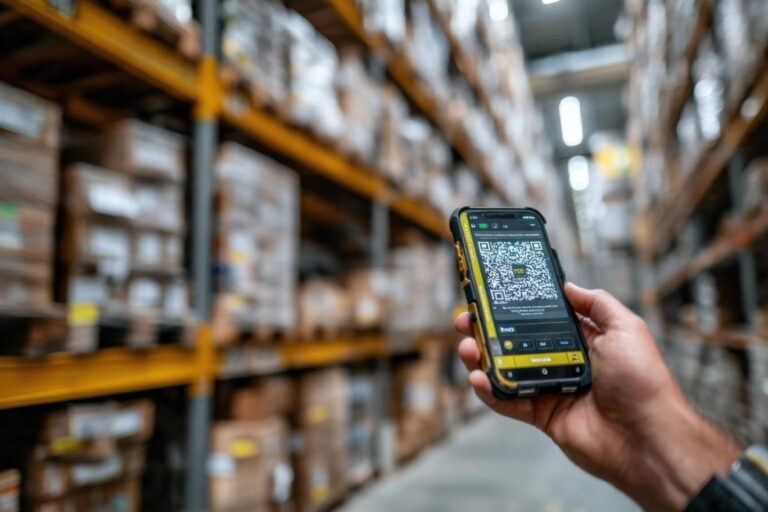
RFID in the Warehouse: From Receiving to Dispatch
Where RFID removes manual scanning in a warehouse: receiving, put-away, counts, picking and dispatch.
Read more
RFID File and Document Tracking for Audit-Ready Records
How RFID tracks physical files and records: who has them, where they are and when they are due back.
Read moreHave a tracking challenge?
Tell us what you need to track and we will show you how Tag’n’Track can help.
Want to see how this works for your organisation?
Not sure where to start?
Tell us about your organisation, and we will suggest the right first step.